Science-led innovation bridging discovery & manufacturing.
Our integrated R&D organization combines synthetic chemistry, process engineering, & analytical sciences, working as a single pod rather than separate departments, to turn complex molecules into scalable, validated manufacturing processes.
Three pods, one mission
Our R&D function is deliberately organized into three interconnected groups: Synthesis Pod (custom route design, bench-scale feasibility), Process Pod (optimization, DoE, scale-up readiness), & Analytical Pod (method development, validation, regulatory packages). Rather than siloed departments, they work together from day one, so manufacturability is engineered into the route, not retrofitted later.
- ✓ Cross-functional collaboration from project kickoff
- ✓ Continuous feedback loops between synthesis & process
- ✓ Regulatory data built incrementally, not in a panic
Deep knowledge across chemistry disciplines
Our scientists bring specialized expertise in the chemistry domains that matter most for complex drug development.
Amino Acid Chemistry
Natural & non-natural amino acid synthesis, protecting-group chemistry (Fmoc, Boc, Cbz), N-methylation, esterification, & chiral resolution for high-purity amino acid & it's derivatives.
Process Chemistry
Route selection, multi-step synthesis optimization, reaction engineering, thermal safety assessment, & yield/scale-up engineering for API intermediates.
Analytical Sciences
HPLC method development, LC-MS/MS characterization, impurity profiling, potency assay design, & ICH-aligned stability protocol development.
Computational & Design
Retrosynthetic analysis, Design of Experiments (DoE), reaction modeling, process optimization algorithms, & digital lab notebooks for traceability.
From molecule to validated manufacture
A structured workflow that ensures no step is skipped & every decision is documented for regulatory readiness.
Feasibility & Route Design
Retrosynthetic analysis, route scouting, & preliminary lab plan
Bench-Scale Synthesis
Rapid iteration, impurity characterization, & route down-selection
Process Optimization
DoE-driven parameter exploration, yield engineering, safety assessment
Analytical Method Dev
Assay development, impurity method validation, stability study initiation
Scale-Up Batches
Pilot-scale batch synthesis, process performance confirmation
cGMP Delivery
Regulatory package assembly, validation batches, ready to file
Modern R&D infrastructure
Investment in specialized equipment & software platforms accelerates project timelines & ensures data quality.
HPLC & LC-MS Suite
Analytical & preparative HPLC systems, LC-MS/MS instruments for impurity characterization, column chemistry evaluation, & method robustness testing.
Advanced Amino Acid Derivative Synthesis
Developing scalable, high-yield synthetic routes for complex and protected amino acids and their derivatives. We optimize reaction parameters to ensure absolute stereochemical control and prevent racemization from bench to kilogram scale.
Kilo-Lab Reactors
Jacketed glass reactors (5–50 L) with automated overhead stirring, reflux condensers, & real-time temperature & pressure monitoring for process development.
Analytical Characterization
NMR (300/400 MHz), FT-IR, UV-Vis, GC-FID/MS for organic impurity detection, & thermal analysis (DSC/TGA) for stability & safety assessment.
DoE & Process Modeling
Statistical experimental design software, process modeling platforms, & digital documentation systems for full experimental traceability & GxP compliance.
Thermal Analysis Lab
Calorimetry for exothermic reaction assessment, adiabatic decomposition testing (ARC), & reaction runaway simulation for safety data package assembly.
DoE-driven optimization engineered for scale
We don't optimize by trial & error. Our process chemists use structured Design of Experiments (DoE) to map parameter space, identify critical process parameters (CPPs), & build predictive models before scaling. Parallel reaction screening, automated data collection, & real-time thermal monitoring compress timelines while building regulatory confidence.
- ✓ Multi-factor DoE with full statistical analysis
- ✓ Thermal safety & exothermic risk profiling
- ✓ Yield & purity maximization at pilot scale
- ✓ Process robustness & design space documentation
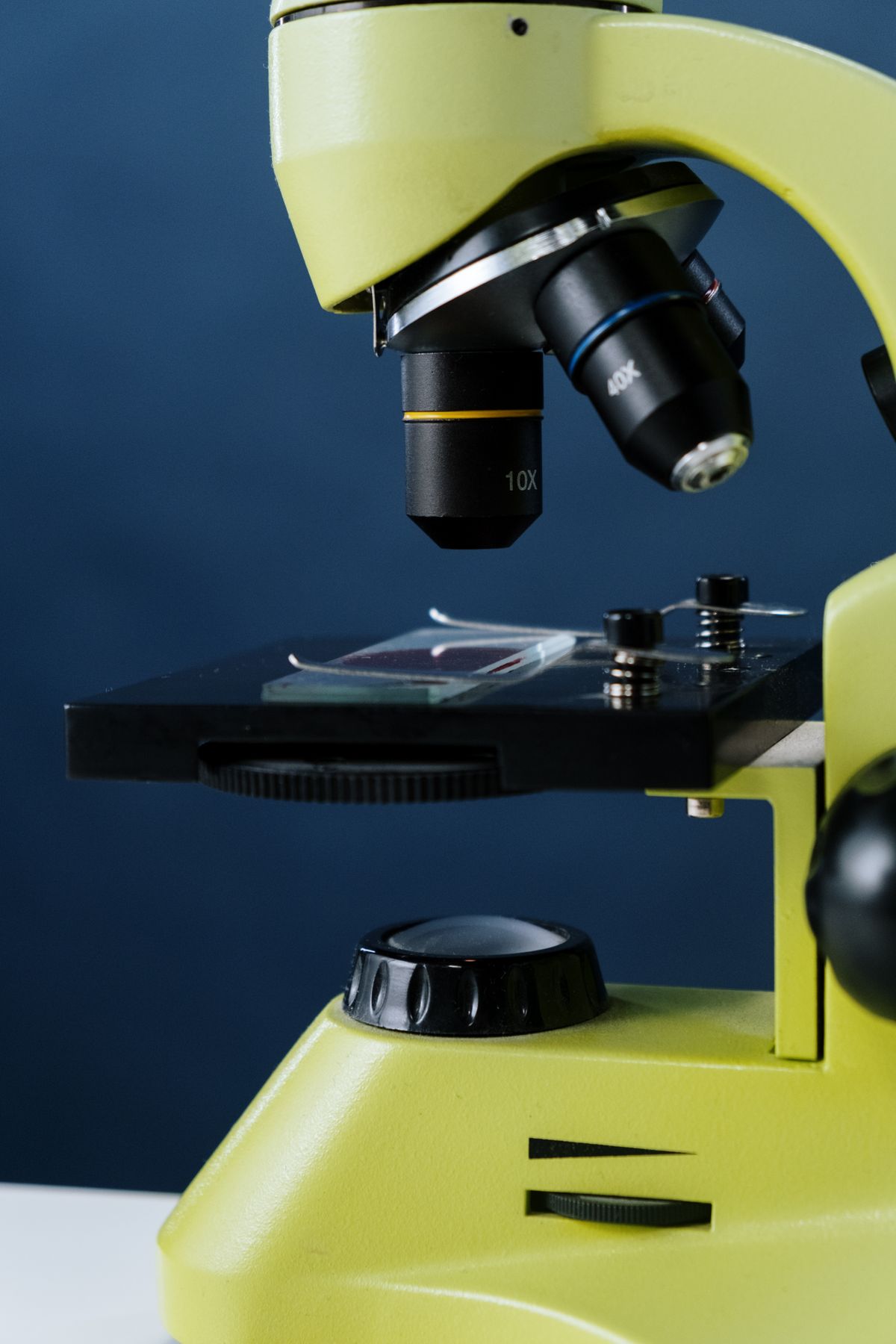 Process engineering lab
Validated methods built in parallel
While synthesis & process teams optimize your molecule, our analytical pod develops & validates the methods that will support your IND filing & commercial manufacturing. We follow ICH Q2(R2) guidance from day one, building method validation, stability protocols, & regulatory packages alongside process development, not at the end.
- ✓ HPLC/LC-MS method development & validation
- ✓ ICH-aligned stability study protocols & execution
- ✓ Impurity & degradant characterization
- ✓ Regulatory assessment & filing-ready packages
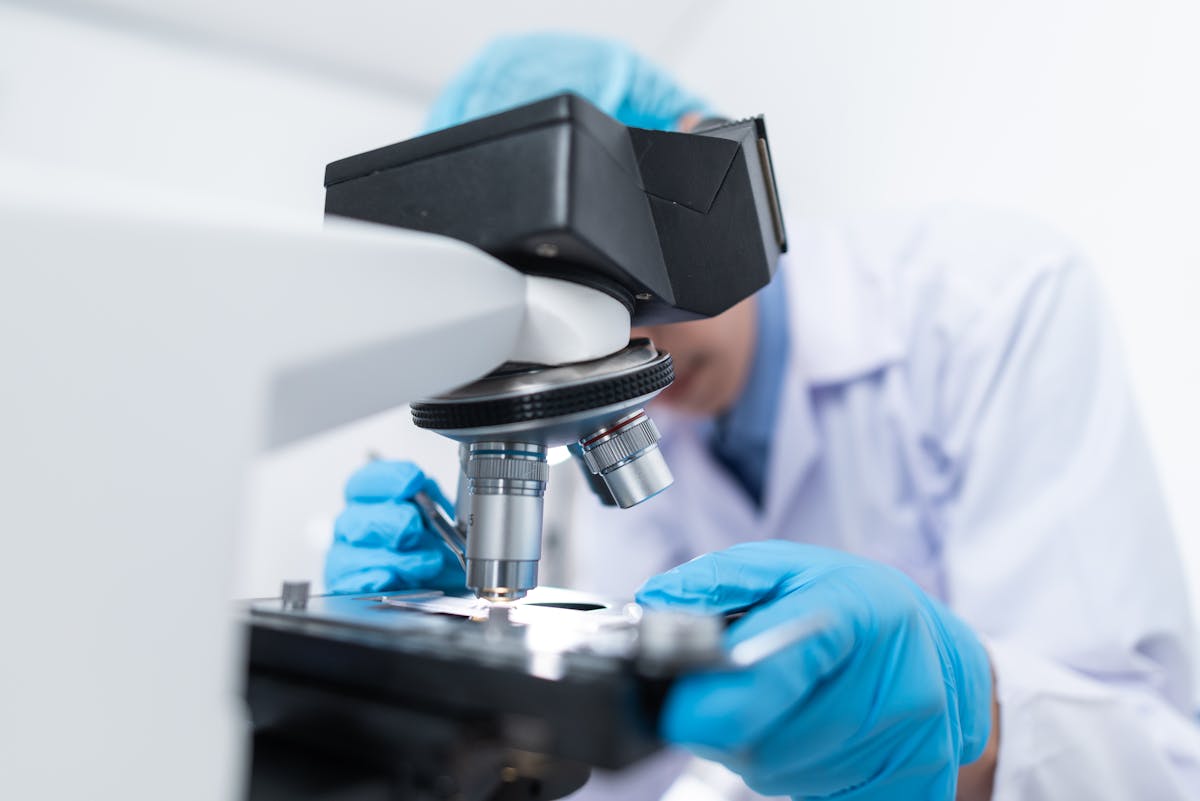 Analytical validation
Real R&D programs, anonymized
A snapshot of the kinds of projects our teams execute every month.
Optimizing a 5-Step Route for a Complex API Intermediate
Challenge: A 5-step synthesis to a key API intermediate suffered from low overall yield (18%) & high impurity profile at the final step, blocking clinical supply.
Approach & Result: Our process pod ran a full factorial DoE on the final step, identified temperature & stoichiometry as critical, & optimized yield to 71%. Parallel analytical method development validated the route for pilot scale, enabling 50 kg delivery in 8 weeks.
Scaling a Non-Natural Protected Amino Acid
Challenge: An Fmoc-protected non-natural amino acid lost optical purity beyond 100 g scale; racemization during protection pushed batches out of specification.
Approach & Result: Re-engineered base selection & temperature control for the protection step & developed a chiral HPLC release method. Achieved 5 kg batches above 99.5% ee, enabling IND-supporting supply in parallel with cGMP pilot runs.
Thermal Safety Assessment for Exothermic Intermediate Synthesis
Challenge: A diazotization step in an intermediate route was flagged as high-risk; no prior thermal characterization existed for regulatory filing.
Approach & Result: Executed ARC (Accelerating Rate Calorimetry) & adiabatic decomposition studies; developed a batch-safe thermal procedure with monitoring setpoints. Delivered a complete thermal safety package enabling Hazop closure & chemistry manufacturing controls documentation.